Parenting or caring for a neurodiverse child can bring huge joy-and at times, significant challenge. This is especially true when autism, ADHD and trauma overlap. Many families describe moments of overwhelm, emotional outbursts, difficulties with attention or distress around change, yet feel unsure what sits beneath these behaviours. Is it neurodiversity? Trauma? Sensory overload? Anxiety? Or all of these together?
In reality, the experiences of autism, ADHD and developmental trauma can look remarkably similar because they all influence how a child processes information, responds to stress and makes sense of relationships. At Meadows Psychology Service (MPS), we focus less on labels and more on what each child needs to feel safe, understood and supported in their everyday world.
Why Autism, ADHD and Trauma Often Look Alike
Autism, ADHD and trauma can all affect regulation, attention, sensory processing and relationships-but often in different ways. Distinguishing between them requires curiosity rather than certainty.

For example, a child who appears restless may be:
- seeking sensory input (autism)
- struggling with impulsivity (ADHD)
- too anxious to sit still (trauma)
A child who avoids eye contact may be:
- communicating in an autistic way
- protecting themselves from relational intensity
- responding to fear or mistrust linked to trauma
Emotional overwhelm can be:
- sensory overload
- difficulty with frustration tolerance
- a trauma-related survival response
- a combination of all three
Many children experience overlapping needs. Some are neurodiverse and have lived through trauma. Others appear neurodiverse because their early experiences have shaped how they cope.
Understanding this overlap helps adults respond with empathy instead of blame. It reminds us that behaviour is communication, always telling us something about the child’s internal experience.
What Children Need: Predictable, Attuned, Developmentally Aware Support
Regardless of diagnosis, neurodiverse and trauma-affected children thrive when their world feels predictable, safe and responsive. The aim is not to “fix behaviour” but to support connection, regulation and identity.
Creating Predictability and Gentle Structure
Children manage transitions best when they know what’s coming. Visual timetables, countdowns, rehearsal of new routines and preparing for change can reduce anxiety. Predictability is not rigidity; it is a kindness that helps children feel safe enough to cope.
Building Connection Through Relationships
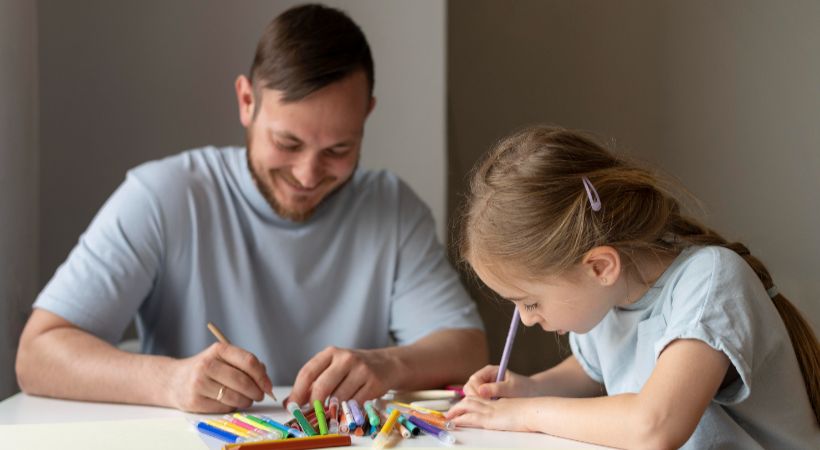
Connection often begins with noticing what matters to the child. Shared interests, parallel play, quiet companionship or predictable relational rituals can help children trust that adults are safe. What looks like withdrawal may be a need for space; what looks like demand avoidance may reflect fear or overwhelm.
Supporting Regulation and Sensory Needs
Neurodiverse children often experience the world more intensely. Sensory-sensitive approaches-quiet spaces, weighted blankets, movement breaks, fidget tools, or predictable sensory input-help settle the nervous system. Regulation strategies work best when practised at calm moments, not in distress.
Building Identity, Confidence and Self-Understanding
Children benefit from learning that there is nothing “wrong” with them. Understanding their neurotype, having pride in who they are, and seeing their strengths reflected back support a positive sense of self. Language matters — children internalise the way we talk about them.

Supporting Executive Functioning and Reducing Overload
Breaking tasks into steps, co-creating plans, using visual reminders and offering scaffolding help children who struggle with organisation, working memory or attention. The aim is to build independence slowly, with plenty of guided practice and success.
Why a Trauma-Informed Approach is Essential
When trauma is layered on top of autism or ADHD, a child’s stress system may activate more quickly and take longer to settle. Trauma can make sensory sensitivities sharper, transitions harder, and relationships more overwhelming.
Trauma-informed practice helps children:
- feel seen and understood rather than judged
- develop coping and regulation skills
- make sense of their experiences
- strengthen relationships with carers, peers and teachers
- build confidence in their abilities and identity
And importantly, trauma-informed practice supports adults too. Many carers and professionals feel unsure how to respond because the behaviour looks complex or contradictory. Reflective support helps adults stay curious, steady and attuned, even when behaviour is challenging.
Our Commitment at Meadows Psychology Service
At Meadows Psychology Service, we recognise the complexity of supporting neurodiverse children who may also have lived through trauma. We offer consultation, assessment, training, and direct therapeutic support for families, schools, residential settings, and supported accommodation.
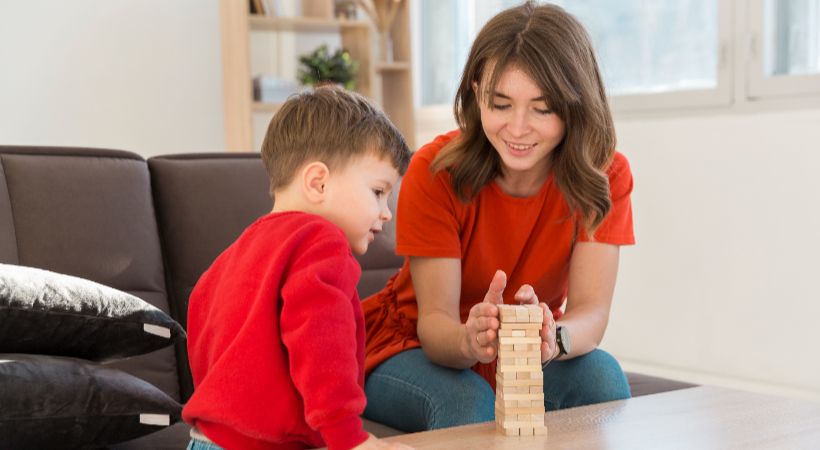
By combining specialist understanding of autism and ADHD with trauma-informed, relational practice, we help networks understand behaviour through a compassionate lens and build approaches that genuinely meet the child’s needs.
If you support a child or young person and would like support to navigate neurodiversity, trauma or the overlap between them, please get in touch. We would be glad to work alongside you.
