At Meadows Psychology Service (MPS), we have the privilege of supporting separated children and young people seeking asylum who arrive in the UK without parents or guardians. Their stories often include courage, grief, uncertainty and remarkable resilience, and much of what they carry is not immediately visible when they first meet the adults around them.
Understanding the Impact of Trauma
For these young people, trauma is rarely a single moment in their lives. It often begins long before they leave home and continues throughout their journey and resettlement. Many have grown up surrounded by conflict, persecution or community breakdown. They may have experienced the loss or disappearance of family members, witnessed violence, or lived in environments where school, healthcare and daily routines suddenly became inaccessible. Experiences like these can teach children to stay watchful, mistrustful and unsure who is safe.
The Journey and Its Deepening Effects
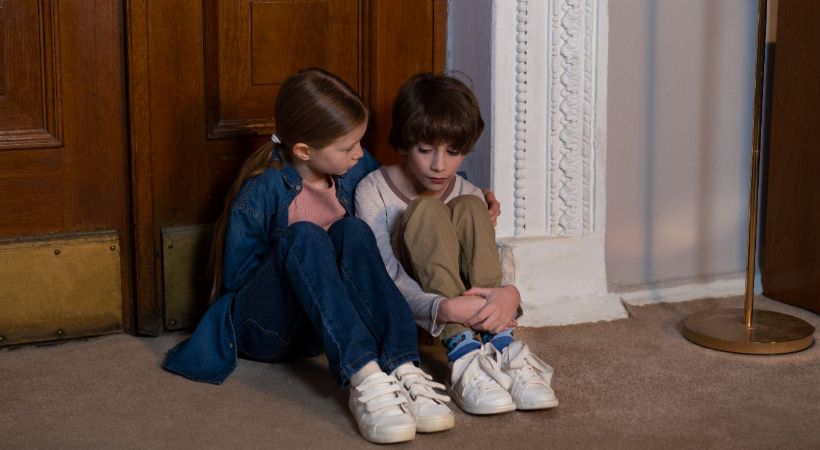
The journey itself can deepen this sense of danger. Some children travel alone for long periods without reliable food, shelter or protection. Others rely on strangers or smugglers and may face exploitation, forced labour or physical or sexual violence along the way. Many are separated from siblings or friends. By the time they reach the UK, they may be exhausted and unsure whether adults can be trusted to help them.
Challenges Upon Arrival
Arriving in a place of safety does not undo the emotional impact of what they have lived through. Life in a new country brings its own challenges: an unfamiliar language, different cultural expectations, anxieties about the asylum process, worries about age assessments, and the fear that safety might be temporary. With no family network to lean on, young people can feel very alone at precisely the moment they need consistent, predictable support.
Why Trauma-Informed Care Matters
This is why trauma-informed, culturally respectful care is essential. Separated children need adults who can offer calm, reliability and clear explanations about what will happen next. Gentle routines, consistent boundaries and predictable expectations can help create the sense of stability they may not have experienced for a long time. Being mindful of triggers, such as loud noises, sudden changes or intrusive questioning, can also prevent accidental retraumatisation.
The Role of Cultural Sensitivity
Culture plays a central part in how young people make sense of their experiences. Ideas about healing, family roles, emotional expression or distress may be very different from Western models. Listening with curiosity, involving interpreters who understand both language and cultural nuance, and respecting spiritual or community practices all help lay the foundation for trust. These acts of cultural humility often have a profound impact on how safe a young person feels.
Creative and Non-Verbal Approaches
For many separated children, spoken English is limited or still developing. At MPS, we lean heavily on creative, non-verbal and sensory approaches—play, art, movement, symbol cards, music and objects from nature. These approaches allow young people to express themselves without relying on words, and they give us a shared language when spoken communication feels too difficult or too soon. Creative work helps young people tell parts of their story at their own pace, building connection and emotional safety through activity rather than conversation.
Restoring Agency Through Choice
Choice matters deeply for young people who have had little control over their lives. Offering choices about how support sessions run, what activities they use, where they sit, or who is in the room helps restore a sense of agency. When adults slow down, ask what feels comfortable, and genuinely listen, young people begin to trust that their voice matters and their autonomy is respected.
Building Trust Takes Time
Trust, of course, is not immediate. Some may appear distant, cautious or challenging, not because they are unwilling to engage, but because they are waiting to see whether adults will remain consistent when things are difficult. What might look like resistance is often a survival strategy shaped by past experiences. Responding with patience, warmth and steadiness gently shifts their expectations of relationships and begins to show them that safety is possible.
Our Approach at Meadows Psychology Service
At MPS, our psychological approaches are always adapted to each young person’s cultural background, strengths, beliefs and pace. We pay attention not just to what they say, but how they communicate through gesture, rhythm, play and movement. Our work often includes supporting the network around them: carers, teachers, key workers, residential teams, and social workers, because healing happens most reliably when all the adults around a young person feel confident, attuned, and supported.
How Meadows Psychology Service Can Help
Working with separated children and young people seeking asylum is an honour. Their experiences are shaped by systems, politics and global inequality, yet they continue to show extraordinary strength. With the right support, many go on to build trusting relationships, reconnect with hope and create a future defined not by what they fled, but by what becomes possible for them.
If you support separated children or would like guidance on trauma-informed and culturally responsive practice, please get in touch. Together, we can offer the safety, stability and compassion that every young person deserves.
