Sleep is essential for children’s growth, learning, and emotional well-being. Yet for many children and young people who have lived through adverse childhood experiences (ACEs) and childhood trauma, restful sleep can feel difficult to achieve. Carers often describe long settling times, frequent waking, distress in the night, or patterns of exhaustion that affect concentration and mood the following day.
At Meadows Psychology Service, we believe that understanding why this happens is an important first step in responding with compassion rather than frustration.
Keep reading to find out more.
Why Childhood Trauma Affects Sleep
When a child has lived through frightening or unpredictable experiences, the body and brain can stay in a heightened state of alert. This survival response is protective in unsafe environments but can remain active long after the danger has passed. At night, when the world grows quieter and darker, children can feel more exposed or less in control, and their sympathetic nervous system may struggle to switch off, leading to sleep disturbances.
For some children, this shows up as difficulty falling asleep, or feeling anxious about bedtime itself. Others may fall asleep quickly but wake repeatedly, especially in unfamiliar environments. Nightmares, night terrors, and distress on waking are also common. These are not signs of “bad behaviour” but deeply understandable responses linked to fear, loss, separation, or past traumatic experiences.
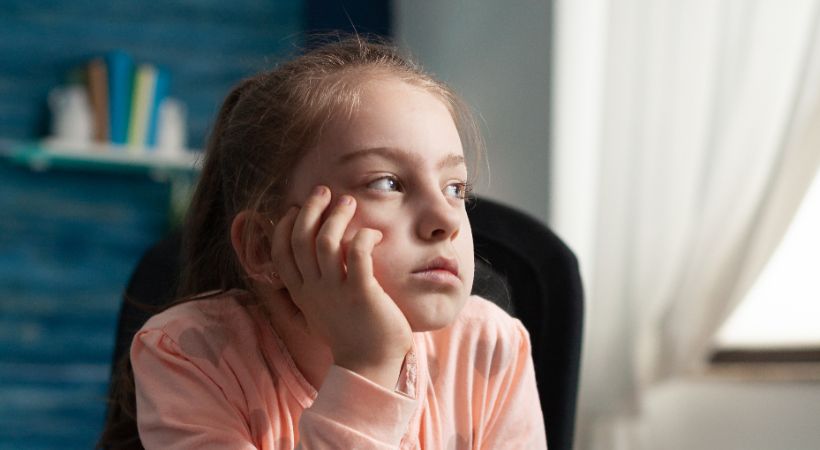
Sleep is one of the first areas affected by childhood trauma because it requires a child to let go, to relax, and to trust that adults will keep them safe when they are at their most vulnerable.
Why Sleep Issues are Especially Common for Children in Care
Care-experienced children and young people often face multiple layers of loss, separation, and instability that can impact sleep quality. Many have lived in homes where nighttime was unpredictable or frightening. Some have experienced physical abuse or sexual abuse during the night, or associate darkness with danger. Even when they are safe, the body remembers, leading to persistent sleep disruption.
Placement moves can also disrupt sleep patterns and circadian rhythms. Each new bedroom brings new sounds, smells, and sensations that take time to feel familiar. Bedtime can be a powerful reminder of previous losses, and the quietness of night can make intrusive thoughts or flashbacks more vivid.
Childhood trauma can also disrupt a child’s ability to regulate their emotions and physical state. Falling asleep, staying asleep, and self-soothing after waking all rely on a nervous system that can return to calm—a capacity many trauma-affected children are still developing.
Understanding the emotional meaning of nighttime helps adults respond more gently and effectively to sleep issues.
Supporting a Child’s Sleep Through a Trauma-Informed Lens
There is no quick fix, and no single strategy that works for every child. What helps most is creating a sense of safety, predictability, and connection across the whole bedtime experience.
Building a predictable rhythm
Children settle more easily when evenings follow a calm, unhurried routine. This might include a warm bath, a familiar story, quiet play, or gentle sensory activities. Predictability reduces anxiety and allows the nervous system to shift gradually into rest mode, improving overall sleep quality.
Creating a safe-feeling environment
The aim is not perfection but familiarity and comfort. Some children settle better with a nightlight, soft music, or predictable background noise. Others need sensory grounding—weighted blankets, soft textures, familiar smells, or comfort items that signal safety and help regulate the sleep-wake cycle.
Supporting emotional regulation
Many children need help winding down long before bedtime. Sitting together for a quiet check-in, reading calming stories, or practising simple mindfulness meditation can help make the transition to night feel less abrupt. Importantly, bedtime is not always the right moment to explore big worries; these conversations often land better earlier in the evening.

Responding calmly to nighttime waking
If a child wakes distressed, your presence and tone matter more than the perfect technique. Staying calm, offering reassurance, and keeping responses predictable helps reduce shame and fear. Punishment or frustration—even when adults are exhausted—can reinforce the child’s belief that night-time is unsafe and exacerbate sleep maintenance issues.
Addressing underlying trauma
When sleep difficulties persist, therapeutic support may be needed. Our team offers therapy for childhood trauma, including approaches such as play therapy, stabilisation work, life-story exploration, or trauma-focused therapy, including EMDR. Sleep quality improves most reliably when the underlying trauma is understood and supported.
Supporting Carers and Families
Sleep disturbances can be exhausting for adults, too. Broken nights often come with feelings of helplessness, worry, or frustration. Carers benefit from reflective spaces where they can think through patterns, explore their own emotional responses, and feel supported rather than alone.
When adults feel steadier and better resourced, they can offer the consistency and containment that helps children feel safe at night and maintain a healthy sleep schedule.
Our Approach at Meadows Psychology Service
At Meadows Psychology Service, we understand the complex ways developmental trauma affects everyday life, including sleep. We offer training and development, consultation, and direct therapeutic input to help carers and professionals interpret night-time behaviour through a trauma-informed lens and develop practical, compassionate coping strategies.
We recognise that early life adversity, including childhood neglect and various forms of abuse, can lead to long-term sleep issues and impact overall psychological well-being. Our approach focuses on addressing these underlying factors to improve sleep quality and mental health outcomes.
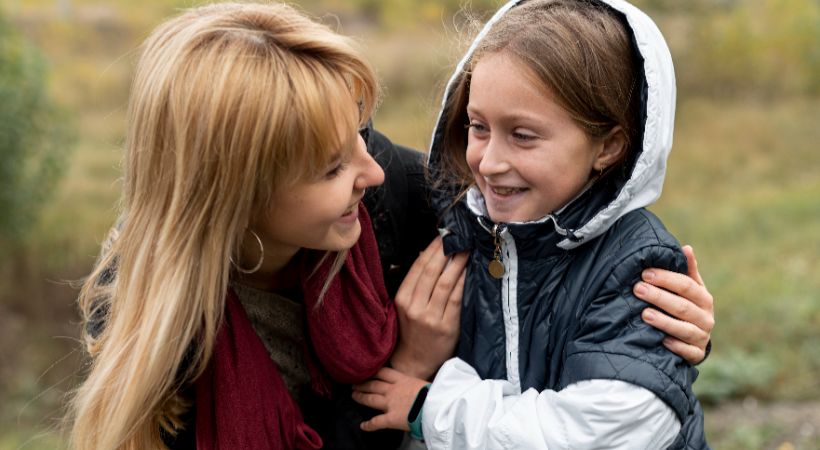
Whether you work in residential children’s homes, fostering services, or adoption support, we can work alongside you to understand what is happening and develop support tailored to each child’s needs.
If you are supporting a child or young person experiencing sleep disturbances, nightmares, or night terrors and would like guidance, please get in touch. Our team can work alongside you to understand what is happening and develop support tailored to each child’s needs, considering their unique trauma exposure and its effects on their sleep architecture and overall well-being.
