Adoption can offer children a profound sense of belonging, connection and possibility. But it is not an easy road, and for many families, the journey includes moments of strain, confusion and emotional exhaustion. When the early years have been shaped by neglect, loss or trauma, relationships take time to build, and the path to trust is rarely straightforward.
When these challenges become overwhelming, families can feel frightened, isolated or unsure where to turn. Some experience periods of instability or risk of breakdown. These moments do not reflect failure. They reflect the intersection of children’s early experiences, parents’ emotional capacity, and the level of support they receive from the systems around them.
The most important message for adoptive families is this: with the right support at the right time, many difficulties can be understood, held and reduced.
The most important message for adoptive families is this: with the right support at the right time, many difficulties can be understood, held and reduced. At Meadows Psychology Service, we believe every family deserves that chance.
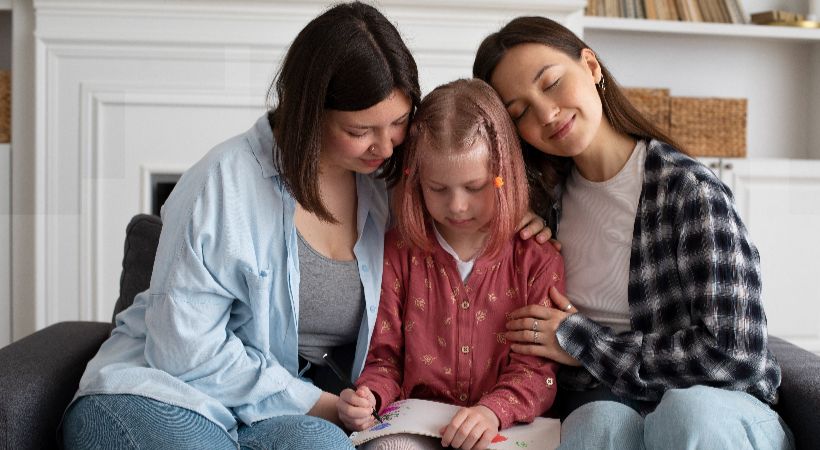
Why Adoption Disruptions Happen
Adoption breakdown is never caused by “unsuitable” parents or “difficult” children. It is almost always the result of complex emotional, developmental and systemic factors coming together without enough relational support.
The Impact of Early Trauma on Adopted Children
Children who have lived through early adversity often struggle with trust, emotional regulation and the sense of safety required for relationships to grow. Their behaviour may reflect fear or confusion rather than deliberate rejection.
Understanding the neurodevelopmental impact of early trauma is a critical first step, one that our specialist adoption psychologists can help families navigate.
Attachment Strain for Both Child and Parent
When a child finds closeness overwhelming, parents can feel rejected or helpless. When parents feel blocked or exhausted, children may sense this and withdraw further. These cycles are painful and can escalate quickly without support. Recognising early warning signs of attachment strain can prevent a crisis.
Unmet Educational and Therapeutic Needs
Children may require specialist education plans, therapeutic input or neurodevelopmental assessments. Long waitlists or unclear pathways can leave families trying to cope alone.
Seeking a timely psychological assessment can open doors to the right educational and therapeutic support.
Family Stress, Burnout and Isolation
Caring for a child with high emotional needs can be draining. Without respite, understanding networks or reflective spaces, parents can reach crisis points.
Connecting with peer support or a post-adoption support service early can make all the difference.
Gaps and Pressures in the Support System
Delays in accessing post-adoption support, changes in professionals, or fragmented involvement can leave families feeling unsupported when they need it most. Adoption instability is relational, not personal. Families need containment as much as the children do.

Strengthening Adoptive Families Through Early and Ongoing Support
Strengthening families begins long before a crisis emerges. Support works best when it is offered early, held consistently, and shaped around each family’s unique story. Many adoptive parents describe immense relief when they can finally speak openly about what is happening at home without fear of being judged.
The Power of Trauma-Informed Parenting Guidance
When families have access to trauma-informed post-adoption support, they often begin to feel less alone. Therapeutic parenting guidance, psychological consultation, direct work with children and reflective conversations offer a sense of containment. Parents frequently say that once they understand why their child behaves in certain ways, the behaviour becomes easier to handle. They can move from feeling overwhelmed to feeling more confident and attuned.
Building Connection and Attachment After Early Adversity
Connection and attachment are strengthened when parents are supported to understand the relational impact of early trauma. Many discover that what they had interpreted as rejection was actually fear, shame or confusion on the part of the child. Approaches such as PACE help create moments of safety and warmth, giving both parent and child a way to reconnect after difficult moments. Even small shared rituals, a walk together, a bedtime routine, playing, cooking, or simply sitting nearby, can gently rebuild trust over time.
Practical Support: Respite, School Advocacy and Peer Networks
Practical support also plays a vital role. Families who access short breaks, flexible respite, school advocacy or peer support often feel more able to sustain the emotional demands of therapeutic parenting. Knowing that someone is alongside them can be the difference between coping and reaching a crisis. No family should feel they must carry this alone.
Support That Evolves With Your Child’s Developmental Stage
Support must also evolve as children move through different developmental stages. Needs that feel manageable one year can become more complex as children grow, start school, move into adolescence or experience changes in contact. Our adoption support services are designed to adapt with your family, offering guidance, understanding and relational steadiness at every stage of the journey.
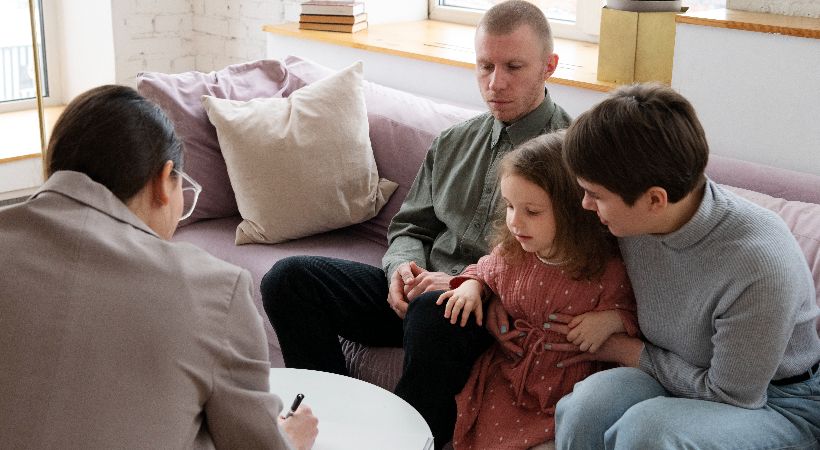
The Importance of Trauma-Informed Systems in Adoption
Adoption success is not only dependent on the family’s resilience but on whether the system around them understands trauma, attachment and identity. When schools, social workers, GPs and other professionals all operate from a trauma-informed lens, families are less likely to fall through the gaps.
What Does a Trauma-Informed System Look Like?
A truly trauma-informed system:
• Sees behaviour as communication rather than defiance
• Responds with curiosity rather than blame
• Offers consistency across professionals
• Builds safety for parents as well as children
• Acts early rather than reactively
When families feel held by a compassionate, joined-up system, challenges become easier to navigate, and the likelihood of breakdown reduces significantly. Our team at Meadows Psychology Service regularly provides consultation to schools and professional networks to help embed this approach.
How Professional Networks Can Prevent Adoption Breakdown
Social workers, commissioners and healthcare providers all play a role in stabilising adoptive placements. We offer professional consultation and training to help multi-agency teams work more effectively around adoptive families.
How Meadows Psychology Service Supports Adoptive Families
At Meadows Psychology Service, we provide adoption-specific assessment, consultation and therapeutic support. We work with children, parents and professional networks to understand needs, strengthen relationships and build strategies for long-term stability.
Our Adoption-Specific Services
Our services include psychological assessments, therapeutic parenting support, direct therapeutic work with children, and professional consultation for social workers and commissioners.

Our aim is always the same: to help families feel seen, supported and hopeful, and to create the conditions where adoptive families can thrive.
Get in Touch
If you are an adoptive parent, social worker or commissioner seeking guidance around adoption stability or post-adoption support, please get in touch. We would be glad to help.
