Creating Safety for Children After Trauma

For children who have experienced trauma, a sense of safety cannot be taken for granted. It must be created intentionally through predictable relationships and nurturing environments. Early experiences of neglect, loss or abuse can leave children feeling hyper-alert or mistrustful, even when they are physically safe. Establishing safety is therefore an essential foundation for healing, learning and connection.

At Meadows Psychology Service (MPS), our trauma-informed work focuses on building secure, relationally rich environments around children at home, in school and within care settings. When children begin to experience adults as consistent and dependable, they can gradually develop resilience and form positive, trusting relationships.

Why Safety Matters After Trauma

Developmental trauma shapes how children view themselves, other people and the world. Even long after a traumatic experience has ended, a child’s nervous system may remain on high alert, prepared for danger that is no longer present. This can show up as difficulty trusting adults, emotional outbursts or withdrawal, challenges with concentration or disrupted sleep and eating patterns.

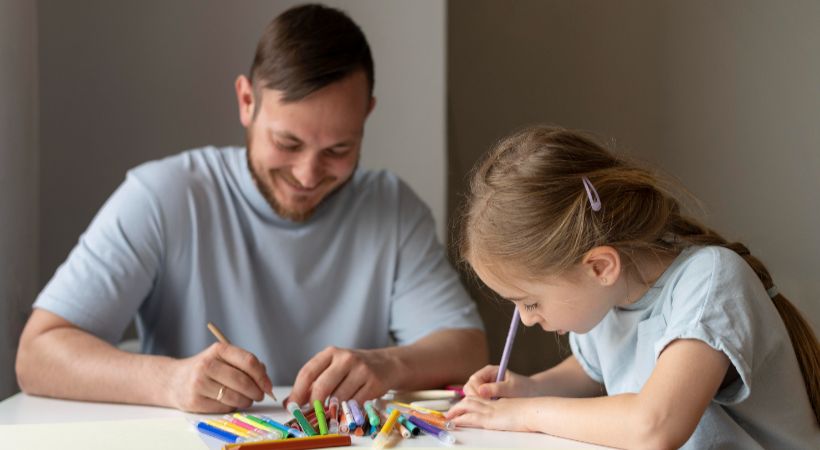
Child being supported by adult

When adults recognise these responses as the impact of childhood trauma rather than misbehaviour, they can respond with empathy and containment. This shift helps children feel understood and creates space for healing.

Research-informed Approaches to Creating Safety

Research consistently highlights that safety is created through consistent, attuned relationships. Adults help children feel safe when they respond predictably, stay curious about what behaviour might be communicating and maintain a calm presence during moments of distress.

Predictable routines also play an important role. A familiar rhythm to the day helps reduce uncertainty, particularly for children who have lived in chaotic or unpredictable environments. Strength-based practice adds another layer of support. When children have opportunities to succeed in activities that matter to them, they begin to rebuild confidence and a more positive sense of self.

Creating Trauma-informed Environments at Home and in School

Small, thoughtful actions can make a significant difference. These strategies support children by reducing uncertainty and strengthening connections.

Creating Trauma-informed Environments at Home

  • Use calm and consistent boundaries to help children understand what to expect
  • Create a cosy retreat space where children can go when they feel overwhelmed
  • Prioritise daily moments of connection such as shared meals, play or bedtime routines
  • Model healthy emotional regulation so children see how stress can be managed safely

Creating Trauma-informed Environments in the Classroom

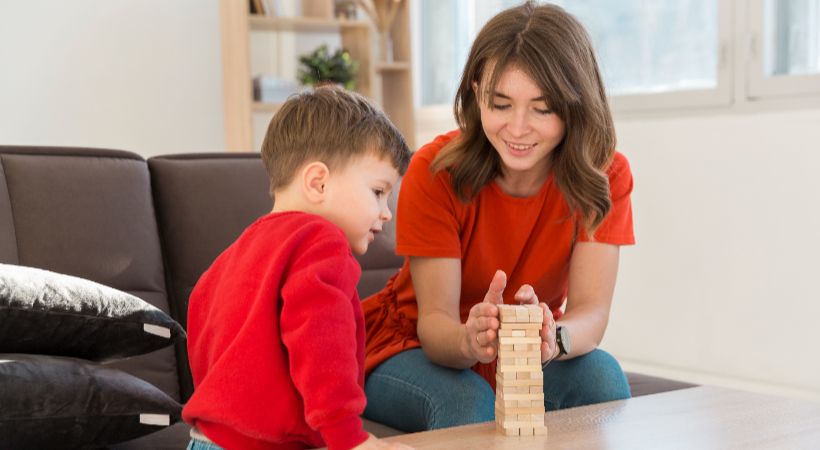
Teacher providing support for child
  • Establish predictable routines and signal transitions clearly
  • Focus on relational repair when things go wrong rather than relying on exclusion
  • Offer movement breaks, sensory options or quiet spaces to support regulation
  • Ensure staff have opportunities for reflection and support so trauma-informed practice can be sustained

When these approaches are woven consistently through a child’s day, adults begin to feel safer and more predictable. This reliability is essential for healthy emotional and relational development.

Building Resilience

Creating safety is not only about reducing distress. It is also about offering children opportunities to thrive. Resilience in children grows when they feel connected to supportive adults, experience moments of success and learn effective ways to manage emotions.

When their voice, identity and feelings are valued, children can begin to rebuild their sense of self. Over time, trauma-informed support helps them move from simply surviving to engaging more confidently in learning, relationships and future possibilities.

Our Commitment at Meadows Psychology Service

At Meadows Psychology Service, trauma-informed practice is embedded across all our services. Whether we are supporting residential homes, schools, supported accommodation or foster and adoptive families, our aim is always the same: to create safe, nurturing environments where children can recover, grow and thrive.

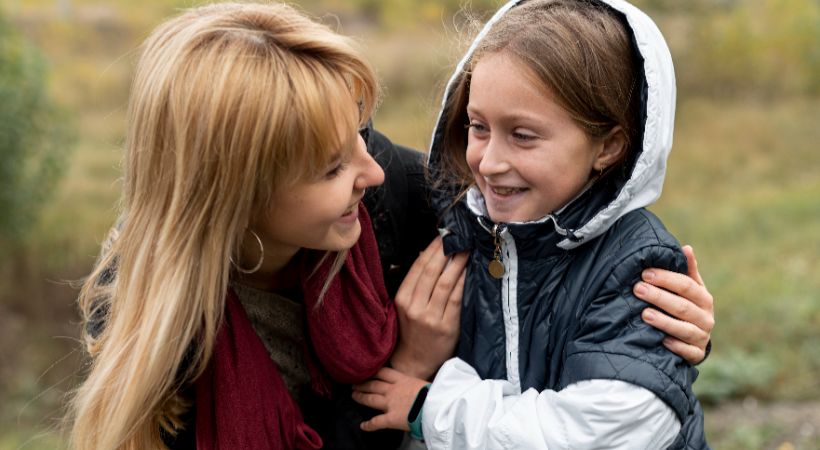
Two children supporting each other

If you are a caregiver, teacher or professional wanting to learn more about trauma-informed behaviour support and practical strategies for your setting, please contact our team. We are always happy to help.


Trauma-Informed Transition Planning for Young People Leaving Care

Leaving care is a major life moment for any young person – and for those who have lived through trauma, loss or instability, it can be one of the most emotionally complex transitions they will face. Many describe this stage as exciting and full of possibility, yet also unsettling, lonely, or frightening. “Becoming independent” can bring old feelings to the surface, particularly around safety, identity and belonging.

At Meadows Psychology Service (MPS), we work nationally with local authorities, supported accommodation providers and care leaver teams to make these transitions thoughtful, relational and trauma-informed. Our aim is simple: to help young people move forward with connection, confidence and support.

Understanding the Emotional Landscape of Leaving Care

For many young people, leaving care is not just about where they will live or how they will manage money. It often reawakens earlier experiences of separation, unpredictability or feeling “on their own.”

Young people commonly experience: resurfacing feelings of grief or loss, worry about trusting new professionals, fear of failing or being judged, mixed feelings about independence – wanting it, but fearing it, loneliness after years of structured support

Seeing these experiences through a trauma lens helps adults respond with empathy, not frustration.

Offering a care leaver support

What Trauma-Informed Transition Planning Looks Like

Starting early, pacing gently

Planning works best when started early and built up gradually. Young people need time to understand what is coming, practise skills, and get to know the adults who will support them next.

Keeping relationships at the centre

Even when a young person moves into independence, one or two reliable adults make an enormous difference. Consistency communicates safety, something many care-experienced young people have had little of.

Building skills through shared experience

Cooking together, practising budgeting, attending appointments, or planning travel are far more effective when done alongside a steady adult, rather than taught in crisis moments.

Understanding behaviour as communication. Leaving care can trigger old survival responses: shutting down, withdrawing, becoming overwhelmed or pushing people away. Trauma-informed planning recognises these as understandable adaptations, not a lack of motivation.

Supported Accommodation That Genuinely Supports

The Supported Accommodation (England) Regulations 2023 and associated quality standards set out the importance of environments that balance independence with emotional safety.

High-quality, trauma-informed provision is more than a place to stay. It offers: predictable routines and clear expectations, adults who understand trauma, stay steady, and show up reliably, opportunities for young people to personalise their space and shape house routines, environments that feel safe and contained, without being restrictive. We provide support through training, reflective practice and consistent guidance.

Friends in care offering support

Young people repeatedly tell us that what helps most is not the building, but the consistency, warmth and attunement of the adults in it.

These settings provide the stability young people need to feel anchored rather than abandoned as they step into independence.

Why Trauma-Informed Planning Matters

When transitions are rushed or treated as purely practical, young people can feel pushed into independence long before they feel ready. This increases risks around mental health, tenancy breakdown, homelessness, and dropping out of education or employment.

Trauma-informed planning takes a different approach. It ensures transitions happen:

  • at the young person’s pace
  • within safe, reliable relationships
  • with emotional and practical support side by side
  • with plans that adapt as the young person’s needs evolve

Most importantly, this approach communicates a powerful message:

You are not doing this alone. You are capable. You matter.

The goal is not simply “moving out,” but helping young people feel connected, supported and able to thrive in their next chapter.

Our Commitment at Meadows Psychology Service

At Meadows Psychology Service, we work alongside local authorities, supported accommodation providers and care leaver teams to: design trauma-informed transition pathways, train supported accommodation teams to respond with confidence and provide psychological consultation for complex young people while offering reflective spaces for staff and carers, and deliver direct therapeutic support where needed

Young group working together to get ready for leaving care

Our work ensures that young people are not only prepared for independence but also emotionally held throughout the journey.If you are involved in planning or delivering support for care leavers and would like to strengthen your trauma-informed approach, please get in touch. We would be glad to support you.

Supporting Neurodiverse Children: Understanding the Overlap Between Autism, ADHD and Trauma

Parenting or caring for a neurodiverse child can bring huge joy-and at times, significant challenge. This is especially true when autism, ADHD and trauma overlap. Many families describe moments of overwhelm, emotional outbursts, difficulties with attention or distress around change, yet feel unsure what sits beneath these behaviours. Is it neurodiversity? Trauma? Sensory overload? Anxiety? Or all of these together?

In reality, the experiences of autism, ADHD and developmental trauma can look remarkably similar because they all influence how a child processes information, responds to stress and makes sense of relationships. At Meadows Psychology Service (MPS), we focus less on labels and more on what each child needs to feel safe, understood and supported in their everyday world.

Why Autism, ADHD and Trauma Often Look Alike

Autism, ADHD and trauma can all affect regulation, attention, sensory processing and relationships-but often in different ways. Distinguishing between them requires curiosity rather than certainty.

Someone working with a child to process their trauma

For example, a child who appears restless may be:

  • seeking sensory input (autism)
  • struggling with impulsivity (ADHD)
  • too anxious to sit still (trauma)

A child who avoids eye contact may be:

  • communicating in an autistic way
  • protecting themselves from relational intensity
  • responding to fear or mistrust linked to trauma

Emotional overwhelm can be:

  • sensory overload
  • difficulty with frustration tolerance
  • a trauma-related survival response
  • a combination of all three

Many children experience overlapping needs. Some are neurodiverse and have lived through trauma. Others appear neurodiverse because their early experiences have shaped how they cope.

Understanding this overlap helps adults respond with empathy instead of blame. It reminds us that behaviour is communication, always telling us something about the child’s internal experience.

What Children Need: Predictable, Attuned, Developmentally Aware Support

Regardless of diagnosis, neurodiverse and trauma-affected children thrive when their world feels predictable, safe and responsive. The aim is not to “fix behaviour” but to support connection, regulation and identity.

Someone working closely with an autistic child

Creating Predictability and Gentle Structure

Children manage transitions best when they know what’s coming. Visual timetables, countdowns, rehearsal of new routines and preparing for change can reduce anxiety. Predictability is not rigidity; it is a kindness that helps children feel safe enough to cope.

Building Connection Through Relationships

Connection often begins with noticing what matters to the child. Shared interests, parallel play, quiet companionship or predictable relational rituals can help children trust that adults are safe. What looks like withdrawal may be a need for space; what looks like demand avoidance may reflect fear or overwhelm.

Supporting Regulation and Sensory Needs

Neurodiverse children often experience the world more intensely. Sensory-sensitive approaches-quiet spaces, weighted blankets, movement breaks, fidget tools, or predictable sensory input-help settle the nervous system. Regulation strategies work best when practised at calm moments, not in distress.

Building Identity, Confidence and Self-Understanding

Children benefit from learning that there is nothing “wrong” with them. Understanding their neurotype, having pride in who they are, and seeing their strengths reflected back support a positive sense of self. Language matters — children internalise the way we talk about them.

Someone helping a child work through their emotions

Supporting Executive Functioning and Reducing Overload

Breaking tasks into steps, co-creating plans, using visual reminders and offering scaffolding help children who struggle with organisation, working memory or attention. The aim is to build independence slowly, with plenty of guided practice and success.

Why a Trauma-Informed Approach is Essential

When trauma is layered on top of autism or ADHD, a child’s stress system may activate more quickly and take longer to settle. Trauma can make sensory sensitivities sharper, transitions harder, and relationships more overwhelming.

Trauma-informed practice helps children:

  • feel seen and understood rather than judged
  • develop coping and regulation skills
  • make sense of their experiences
  • strengthen relationships with carers, peers and teachers
  • build confidence in their abilities and identity

And importantly, trauma-informed practice supports adults too. Many carers and professionals feel unsure how to respond because the behaviour looks complex or contradictory. Reflective support helps adults stay curious, steady and attuned, even when behaviour is challenging.

Our Commitment at Meadows Psychology Service

At Meadows Psychology Service, we recognise the complexity of supporting neurodiverse children who may also have lived through trauma. We offer consultation, assessmenttraining, and direct therapeutic support for families, schools, residential settings, and supported accommodation.

Woman helping an autistic child

By combining specialist understanding of autism and ADHD with trauma-informed, relational practice, we help networks understand behaviour through a compassionate lens and build approaches that genuinely meet the child’s needs.

If you support a child or young person and would like support to navigate neurodiversity, trauma or the overlap between them, please get in touch. We would be glad to work alongside you.

How Childhood Trauma Can Impact Sleep: A Trauma-informed Guide for Caregivers and Professionals

Sleep is essential for children’s growth, learning, and emotional well-being. Yet for many children and young people who have lived through adverse childhood experiences (ACEs) and childhood trauma, restful sleep can feel difficult to achieve. Carers often describe long settling times, frequent waking, distress in the night, or patterns of exhaustion that affect concentration and mood the following day.

At Meadows Psychology Service, we believe that understanding why this happens is an important first step in responding with compassion rather than frustration.

Keep reading to find out more.

Why Childhood Trauma Affects Sleep

When a child has lived through frightening or unpredictable experiences, the body and brain can stay in a heightened state of alert. This survival response is protective in unsafe environments but can remain active long after the danger has passed. At night, when the world grows quieter and darker, children can feel more exposed or less in control, and their sympathetic nervous system may struggle to switch off, leading to sleep disturbances.

For some children, this shows up as difficulty falling asleep, or feeling anxious about bedtime itself. Others may fall asleep quickly but wake repeatedly, especially in unfamiliar environments. Nightmares, night terrors, and distress on waking are also common. These are not signs of “bad behaviour” but deeply understandable responses linked to fear, loss, separation, or past traumatic experiences.

Child affected by sleep deprivation

Sleep is one of the first areas affected by childhood trauma because it requires a child to let go, to relax, and to trust that adults will keep them safe when they are at their most vulnerable.

Why Sleep Issues are Especially Common for Children in Care

Care-experienced children and young people often face multiple layers of loss, separation, and instability that can impact sleep quality. Many have lived in homes where nighttime was unpredictable or frightening. Some have experienced physical abuse or sexual abuse during the night, or associate darkness with danger. Even when they are safe, the body remembers, leading to persistent sleep disruption.

Placement moves can also disrupt sleep patterns and circadian rhythms. Each new bedroom brings new sounds, smells, and sensations that take time to feel familiar. Bedtime can be a powerful reminder of previous losses, and the quietness of night can make intrusive thoughts or flashbacks more vivid.

Childhood trauma can also disrupt a child’s ability to regulate their emotions and physical state. Falling asleep, staying asleep, and self-soothing after waking all rely on a nervous system that can return to calm—a capacity many trauma-affected children are still developing.

Understanding the emotional meaning of nighttime helps adults respond more gently and effectively to sleep issues.

Supporting a Child’s Sleep Through a Trauma-Informed Lens

There is no quick fix, and no single strategy that works for every child. What helps most is creating a sense of safety, predictability, and connection across the whole bedtime experience.

Building a predictable rhythm

Children settle more easily when evenings follow a calm, unhurried routine. This might include a warm bath, a familiar story, quiet play, or gentle sensory activities. Predictability reduces anxiety and allows the nervous system to shift gradually into rest mode, improving overall sleep quality.

Creating a safe-feeling environment

The aim is not perfection but familiarity and comfort. Some children settle better with a nightlight, soft music, or predictable background noise. Others need sensory grounding—weighted blankets, soft textures, familiar smells, or comfort items that signal safety and help regulate the sleep-wake cycle.

Supporting emotional regulation

Many children need help winding down long before bedtime. Sitting together for a quiet check-in, reading calming stories, or practising simple mindfulness meditation can help make the transition to night feel less abrupt. Importantly, bedtime is not always the right moment to explore big worries; these conversations often land better earlier in the evening.

Adult supporting child with their sleep

Responding calmly to nighttime waking

If a child wakes distressed, your presence and tone matter more than the perfect technique. Staying calm, offering reassurance, and keeping responses predictable helps reduce shame and fear. Punishment or frustration—even when adults are exhausted—can reinforce the child’s belief that night-time is unsafe and exacerbate sleep maintenance issues.

Addressing underlying trauma

When sleep difficulties persist, therapeutic support may be needed. Our team offers therapy for childhood trauma, including approaches such as play therapy, stabilisation work, life-story exploration, or trauma-focused therapy, including EMDR. Sleep quality improves most reliably when the underlying trauma is understood and supported.

Supporting Carers and Families

Sleep disturbances can be exhausting for adults, too. Broken nights often come with feelings of helplessness, worry, or frustration. Carers benefit from reflective spaces where they can think through patterns, explore their own emotional responses, and feel supported rather than alone.

When adults feel steadier and better resourced, they can offer the consistency and containment that helps children feel safe at night and maintain a healthy sleep schedule.

Our Approach at Meadows Psychology Service

At Meadows Psychology Service, we understand the complex ways developmental trauma affects everyday life, including sleep. We offer training and development, consultation, and direct therapeutic input to help carers and professionals interpret night-time behaviour through a trauma-informed lens and develop practical, compassionate coping strategies.

We recognise that early life adversity, including childhood neglect and various forms of abuse, can lead to long-term sleep issues and impact overall psychological well-being. Our approach focuses on addressing these underlying factors to improve sleep quality and mental health outcomes.

Adult being supportive to child

Whether you work in residential children’s homes, fostering services, or adoption support, we can work alongside you to understand what is happening and develop support tailored to each child’s needs.

If you are supporting a child or young person experiencing sleep disturbances, nightmares, or night terrors and would like guidance, please get in touch. Our team can work alongside you to understand what is happening and develop support tailored to each child’s needs, considering their unique trauma exposure and its effects on their sleep architecture and overall well-being.