Children understand and process their world through play, imagination and creativity. For many children who have lived through developmental or relational trauma, those experiences may have been interrupted or overshadowed by the need to stay safe. When a child’s nervous system has been focused on survival, managing fear, coping with unpredictability, or adapting to unsafe environments, there is often little room left for curiosity, playfulness or exploration.
Creative therapeutic approaches such as play therapy, art therapy and drama-based work create opportunities for children to reconnect with these parts of themselves. They offer gentle, supported ways to express feelings, explore experiences, and rebuild trust through playful, relational moments.
At Meadows Psychology Service, we are passionate about the impact that creative therapies can have, and in this blog, we will give more insight into how.
Why Creative Therapies Matter
Creative therapies are not about making a “good picture” or performing. They are about expression, connection and helping children make sense of experiences that may feel too overwhelming to put into words.

We see benefits such as:
Expressed Emotions
Play therapy allows children to express emotions symbolically. Using dolls, figures, or a sand tray helps them communicate experiences that might be impossible to speak aloud.
Helps The Child Understand Their Emotions
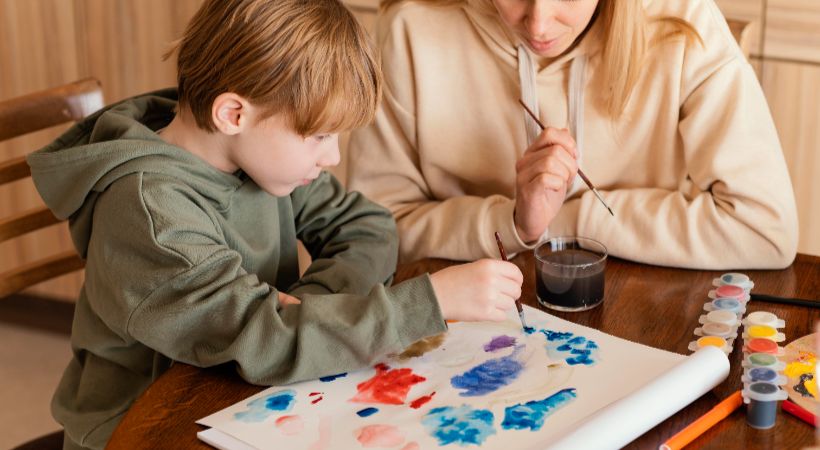
Art therapy offers a safe space to externalise feelings. Drawing, painting or working with clay can help a child express emotions that feel too big or confusing to hold internally.
Strengthened Relationships
Therapeutic play strengthens the relationship between the child and therapist. Feeling safe, seen and understood enables children to take small emotional risks and practise new skills.
Helps Children Tell Their Story
Drama and role-play give children opportunities to experiment with new roles, rehearse problem-solving and tell their story in more empowered ways.
These approaches can help children build resilience, improve emotional regulation, and deepen their capacity for safe relationships.
Examples of Creative Therapeutic Techniques
Creative therapeutic work is always tailored to the child. Some of the approaches we use include:
Symbolic Play:
Using puppets, figures or a sand tray to explore fears, rehearse new scenarios or express unspoken worries.
Storytelling and Role Play:
Creating characters or storylines that mirror a child’s feelings or experiences, giving emotional distance while still enabling exploration.
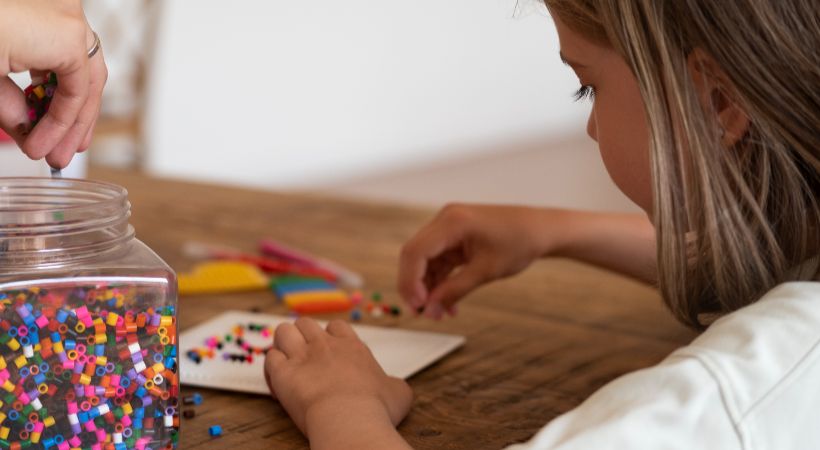
Art-based Activities:
- Drawing an “emotion thermometer” to identify and map different feelings
- Making masks or collages to explore identity and self-expression
- Using colour, texture or shape to represent emotions that feel hard to describe
Movement and Drama Techniques:
Using gentle movement, improvisation or drama games to build confidence, practise communication and release tension.
Child-led Play at Home:
Supporting parents to join the child’s world through play, giving them space to lead, make choices and feel attuned to.
Why Play and Creativity are Essential in Trauma-informed Care
Children who have experienced trauma may find it difficult to trust adults, regulate emotions or make sense of their experiences. Creative approaches provide:
- Non-verbal ways to express feelings when talking feels too exposing or overwhelming
- Opportunities to practise regulation, slowing down, noticing sensations and trying new coping strategies in the moment
- Experiences of being understood, accepted and responded to with curiosity rather than judgement
- Pathways to resilience, helping children discover strengths, create meaning and build a more positive sense of self
Creative Therapies With Meadows Psychology Service
At Meadows Psychology Service, we view creativity as central, not optional, in trauma-informed work with children. Creative approaches offer the flexibility, safety and relational warmth that help children begin to trust again and imagine a different future.
If you would like to learn more about play therapy, art therapy for children or creative therapies for complex trauma, pleaseget in touch. Our experienced team of play, art and drama therapists and creative practitioners would be glad to support you and the children in your care.
