For children who have experienced trauma, a sense of safety cannot be taken for granted. It must be created intentionally through predictable relationships and nurturing environments. Early experiences of neglect, loss or abuse can leave children feeling hyper-alert or mistrustful, even when they are physically safe. Establishing safety is therefore an essential foundation for healing, learning and connection.
At Meadows Psychology Service (MPS), our trauma-informed work focuses on building secure, relationally rich environments around children at home, in school and within care settings. When children begin to experience adults as consistent and dependable, they can gradually develop resilience and form positive, trusting relationships.
Why Safety Matters After Trauma
Developmental trauma shapes how children view themselves, other people and the world. Even long after a traumatic experience has ended, a child’s nervous system may remain on high alert, prepared for danger that is no longer present. This can show up as difficulty trusting adults, emotional outbursts or withdrawal, challenges with concentration or disrupted sleep and eating patterns.
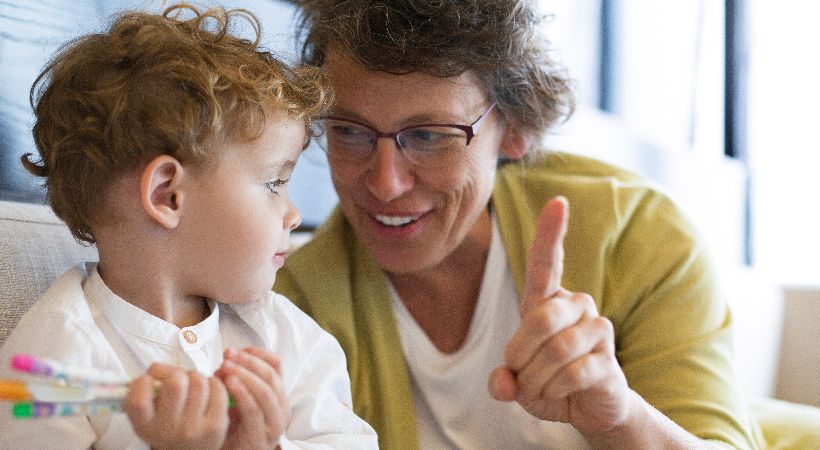
When adults recognise these responses as the impact of childhood trauma rather than misbehaviour, they can respond with empathy and containment. This shift helps children feel understood and creates space for healing.
Research-informed Approaches to Creating Safety
Research consistently highlights that safety is created through consistent, attuned relationships. Adults help children feel safe when they respond predictably, stay curious about what behaviour might be communicating and maintain a calm presence during moments of distress.
Predictable routines also play an important role. A familiar rhythm to the day helps reduce uncertainty, particularly for children who have lived in chaotic or unpredictable environments. Strength-based practice adds another layer of support. When children have opportunities to succeed in activities that matter to them, they begin to rebuild confidence and a more positive sense of self.
Creating Trauma-informed Environments at Home and in School
Small, thoughtful actions can make a significant difference. These strategies support children by reducing uncertainty and strengthening connections.
Creating Trauma-informed Environments at Home
- Use calm and consistent boundaries to help children understand what to expect
- Create a cosy retreat space where children can go when they feel overwhelmed
- Prioritise daily moments of connection such as shared meals, play or bedtime routines
- Model healthy emotional regulation so children see how stress can be managed safely
Creating Trauma-informed Environments in the Classroom

- Establish predictable routines and signal transitions clearly
- Focus on relational repair when things go wrong rather than relying on exclusion
- Offer movement breaks, sensory options or quiet spaces to support regulation
- Ensure staff have opportunities for reflection and support so trauma-informed practice can be sustained
When these approaches are woven consistently through a child’s day, adults begin to feel safer and more predictable. This reliability is essential for healthy emotional and relational development.
Building Resilience
Creating safety is not only about reducing distress. It is also about offering children opportunities to thrive. Resilience in children grows when they feel connected to supportive adults, experience moments of success and learn effective ways to manage emotions.
When their voice, identity and feelings are valued, children can begin to rebuild their sense of self. Over time, trauma-informed support helps them move from simply surviving to engaging more confidently in learning, relationships and future possibilities.
Our Commitment at Meadows Psychology Service
At Meadows Psychology Service, trauma-informed practice is embedded across all our services. Whether we are supporting residential homes, schools, supported accommodation or foster and adoptive families, our aim is always the same: to create safe, nurturing environments where children can recover, grow and thrive.

If you are a caregiver, teacher or professional wanting to learn more about trauma-informed behaviour support and practical strategies for your setting, please contact our team. We are always happy to help.
