For children in care, early experiences of trauma and separation can shape how they relate to adults and manage relationships. Understanding attachment theory helps carers, foster families and professionals respond with empathy- creating the safety children need to heal and trust again.
At Meadows Psychology Service, we believe it is important to understand attachment in looked-after children to provide them with the best possible support.
What is Attachment Theory and Why Does it Matter for Looked-After Children?
Attachment is the deep relational bond that develops between a child and their caregivers. For most children, early relationships that are warm, predictable and responsive lay the foundations for trust, curiosity and emotional safety, an idea first described in the work of John Bowlby (1969) and developed in later studies by Mary Ainsworth (1978). But for many looked-after children, early experiences of separation, neglect or trauma have shaped very different expectations of adults and relationships.
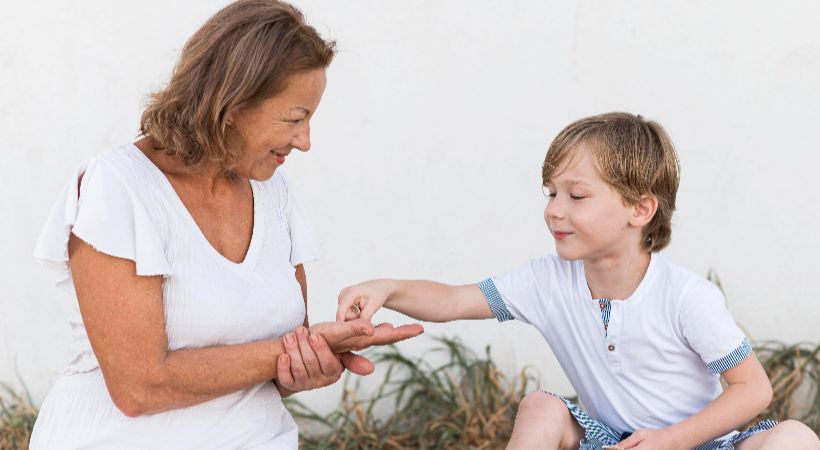
In foster care, adoption, residential settings, education or supported accommodation, the behaviours adults see are often rooted in these early relational experiences. Understanding where these patterns come from helps us respond in ways that build, rather than damage, the child’s sense of safety.
How Attachment Affects Children’s Emotional Development
Attachment is central to how a child manages stress, expresses emotion, and relates to others. When a child’s earliest caregivers were inconsistent, emotionally unavailable or frightening, they developed strategies that helped them survive those circumstances. These strategies become patterns of relating – not personality traits, not fixed labels, but ways of navigating relationships based on what the child has learned about adults.
Although attachment is fluid, relational and changeable, it is still helpful to understand the broad patterns described in research. These categories were never intended as diagnoses; they simply give us language to describe the strategies children may use with caregivers.
The Four Main Attachment Patterns in Children
Common patterns of relating include:
Secure
Where children expect adults to be available and safe. They explore with confidence and return for comfort, shaped by earlier experiences of reliable care.
Avoidant (Insecure-Avoidant)
Where children show strong independence and minimise their need for adults. This often develops when early caregivers were emotionally distant or dismissive.
Ambivalent/Anxious (Insecure-Ambivalent)
Where children cling to adults, struggle with separation and remain distressed even after comfort. This typically reflects inconsistent caregiving.
Disorganised
Where children show mixed or contradictory behaviours, seeking comfort while also appearing fearful or overwhelmed. This pattern was first identified by Main & Solomon (1990) and is more common in children who have experienced trauma.
Understanding Attachment Difficulties in Foster Care and Residential Settings
Looked-after children rarely fit neatly into one category. Their patterns shift across relationships and evolve over time. A child who avoids comfort in foster care may show anxiety in school. A teenager who appears independent may be deeply distressed underneath. Attachment is not something a child “has”; it is something they learned, based on what kept them emotionally safe in the past.
Recognising Attachment-Related Behaviours in Children
Recognising when a child is relying on these survival strategies helps carers and professionals respond with empathy rather than judgement. Signs might include difficulty trusting adults, intense reactions to separation, pushing others away before they can be rejected, becoming overly dependent, shutting down emotionally, or struggling with friendships. These behaviours are protective responses to early adversity – a perspective strongly supported by contemporary developmental trauma research, including the work of Bessel van der Kolk (2014) and Bruce Perry (2006).
How Meadows Psychology Service Supports Attachment and Trauma Recovery
At Meadows Psychology Service, our work focuses on helping children experience relationships differently – not through correcting or labelling “styles”, but through building relational safety. We support carers, foster families, adoptive parents, residential teams, and supported accommodation staff to understand the stories behind children’s behaviours. Through consultation, reflective practice and therapeutic parenting approaches such as PACE (Hughes, 2007), adults learn how to respond with steadiness and attunement, even when behaviour feels challenging.
Therapeutic Approaches for Attachment Issues
For some children, direct therapeutic work helps them make sense of earlier experiences and supports emotional regulation. We use approaches such as Dyadic Developmental Psychotherapy (DDP), EMDR, play therapy, creative and sensory approaches, and metaphor-led or narrative work. Many looked-after children struggle to express their inner world verbally, so creative approaches allow them to explore feelings and relationships in ways that feel safer and more accessible.
Building Secure Attachments Through Therapeutic Parenting
Healing in attachment is not the result of a single intervention. It comes through repeated experiences of adults being safe, consistent and emotionally present. Over time, children begin to expect something different from relationships: that adults will stay, that their needs matter, and that they are worthy of care.
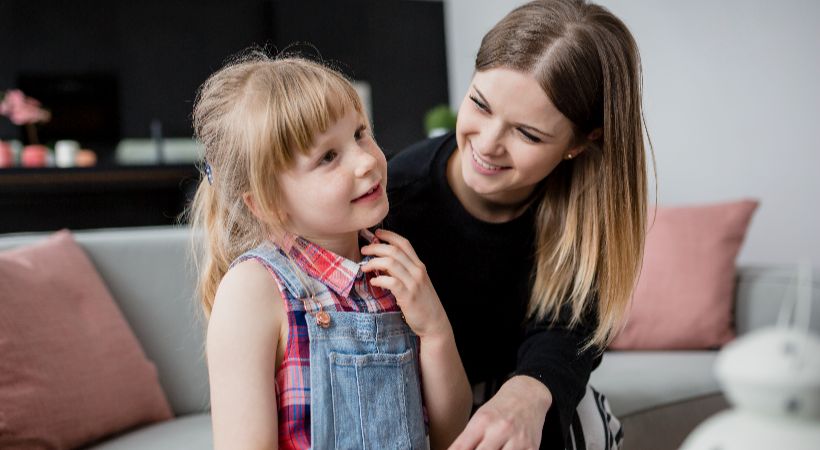
For looked-after children, relationships remain their greatest source of resilience. With patience, attunement and the right therapeutic support, children can move from strategies of survival toward relationships built on trust.
If you are supporting a child and would like guidance on attachment and trauma-informed practice, please contact us. Our team is here to help create the conditions in which children can feel safe, connected and able to thrive.
