As we step into Foster Care Fortnight 2025, it’s essential to pause and reflect on the collective commitment of thousands of foster carers across the nation who open their hearts and homes to children in need of care, love, and stability.
This national campaign to raise awareness runs from May 12th to May 25th, aiming to highlight the incredible contributions of carers and their families while fostering a deeper understanding of the challenges faced by children in foster care.
Celebrate the Power of Relationships
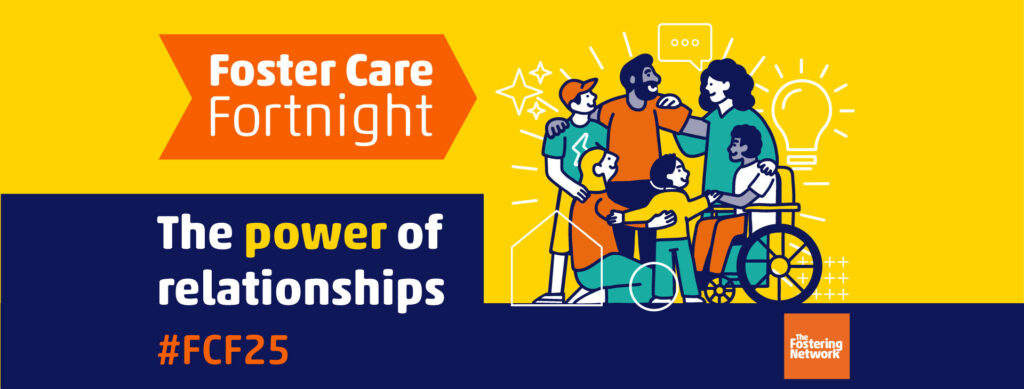
This year, the theme “The Power of Relationships” resonates powerfully throughout the sector. It acknowledges the importance of connection – not only between foster carers and the young people they support, but also within the wider fostering community.
The theme reflects how collaborative, trusting relationships among foster families, social workers, and support services can lead to transformative outcomes for children and young people who have experienced developmental trauma and adversity.
At Meadows Psychology Service, we recognise that these relationships lie at the very heart of effective support between carers and children. Our dedicated team works tirelessly to provide resources, training, and psychological support to foster carers and young people across the country.
We believe that no child or family should navigate the fostering journey alone, and our aim is to equip foster families with the tools they need to build secure attachments that are vital for a child’s healing and development.
The theme “The Power of Relationships” highlights the profound impact that relational connections can have on children who have experienced early traumatic experiences. A crucial aspect of our approach is encapsulated in the notion that “relational trauma requires relational repair.” This highlights the necessity of nurturing supportive, trusting relationships in fostering environments where young people can begin to heal.
Fostering Services and Support
Through therapeutic interventions, we help foster carers to understand the significance of emotional attunement and responsive caregiving, which can significantly mitigate the potential long term effects of relational trauma for children in care.
Fostering is a team effort—not only among family members but also involving professionals, social workers, and the wider community. Let us come together during this special fortnight to celebrate the invaluable work of foster carers and to advocate for the healing of the children they support.
By embracing the theme “The Power of Relationships,” we can foster a sense of belonging and opportunity for young people, ensuring they have a brighter future ahead.
Join us in honouring Foster Care Fortnight 2025. Together, let’s build bridges that foster understanding, connection, and transformation for all children in foster care.
Find out more about fostering through our dedicated therapeutic foster care page.
